
The Art of Balance: Discovering Franco-Japanese Cuisine in Paris

The Art of Balance: Discovering Franco-Japanese Cuisine in Paris

Sometimes, all it takes is a touch of acidity to bring out the sweetness of a vegetable. A roasted note to add depth to a sauce. Or an unexpected texture to transform a familiar bite into something entirely new.

In cooking, balance often comes down to the smallest details. It is not about layering flavours, but about finding their rightful place, creating a dialogue between ingredients without ever losing their individual character.

It is in this pursuit of harmony that two great culinary traditions come together: French gastronomy and Japanese culinary sensibility. One celebrates the art of sauces, cooking techniques and indulgent flavour combinations; the other places particular emphasis on the purity of flavours, seasonality and precision.

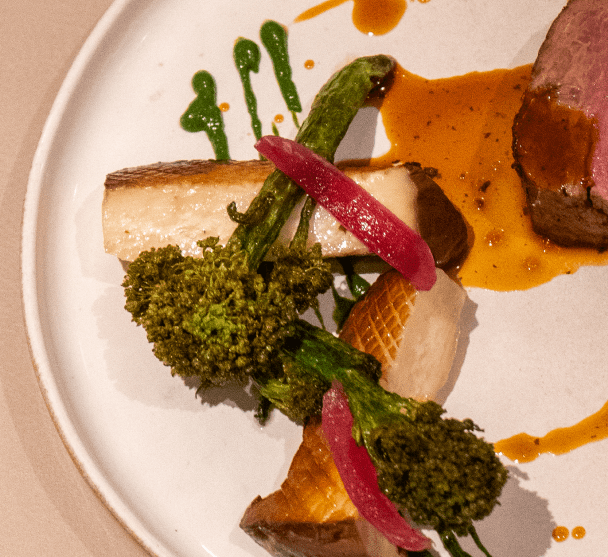
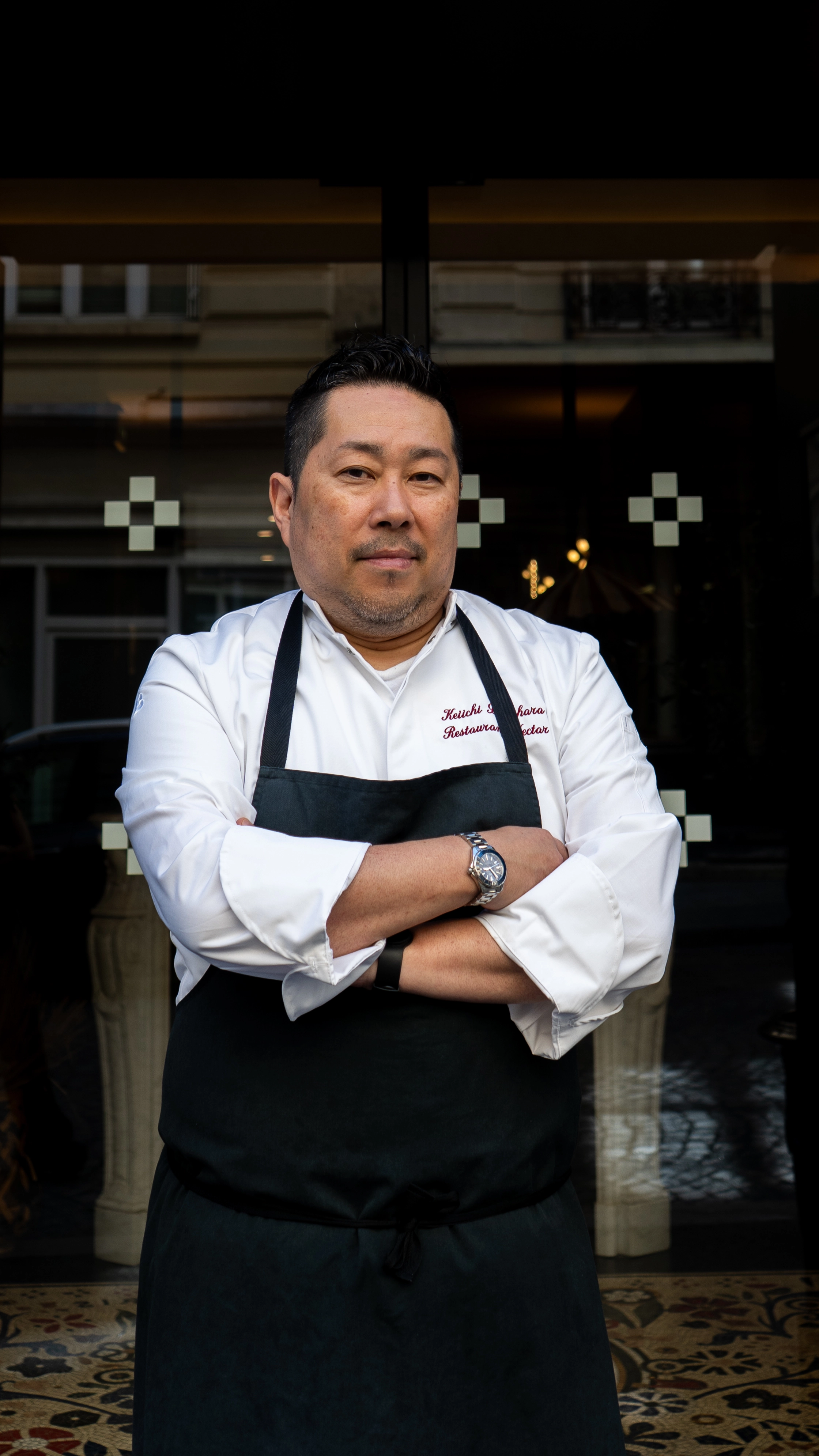
In Paris, this meeting of traditions is inspiring a new approach to gastronomy: freer, more nuanced, and one in which creativity serves to enhance the ingredients. A philosophy that can be experienced at Nectar, in the heart of the 9th arrondissement, through the cuisine of Chef Keiichi Shinohara.

The Art of Balance: Discovering Franco-Japanese Cuisine in Paris ©The Art of Balance: Discovering Franco-Japanese Cuisine in Paris

Franco-Japanese Cuisine in Paris: A Meeting of Two Culinary Cultures

Franco-Japanese cuisine combines the techniques and traditions of French gastronomy with ingredients, methods and influences drawn from Japanese cooking. It is not simply about adding miso or yuzu to a French recipe. Its appeal lies in the way these two culinary cultures complement one another.

French gastronomy has a long tradition of transforming ingredients through stocks, reductions, sauces, slow cooking and the careful use of fats. These techniques help develop depth and richness in a dish.

Japanese cuisine, meanwhile, places particular importance on seasonality, allowing individual ingredients to shine, and umami, the fifth taste, which brings depth and a lingering richness to the palate.

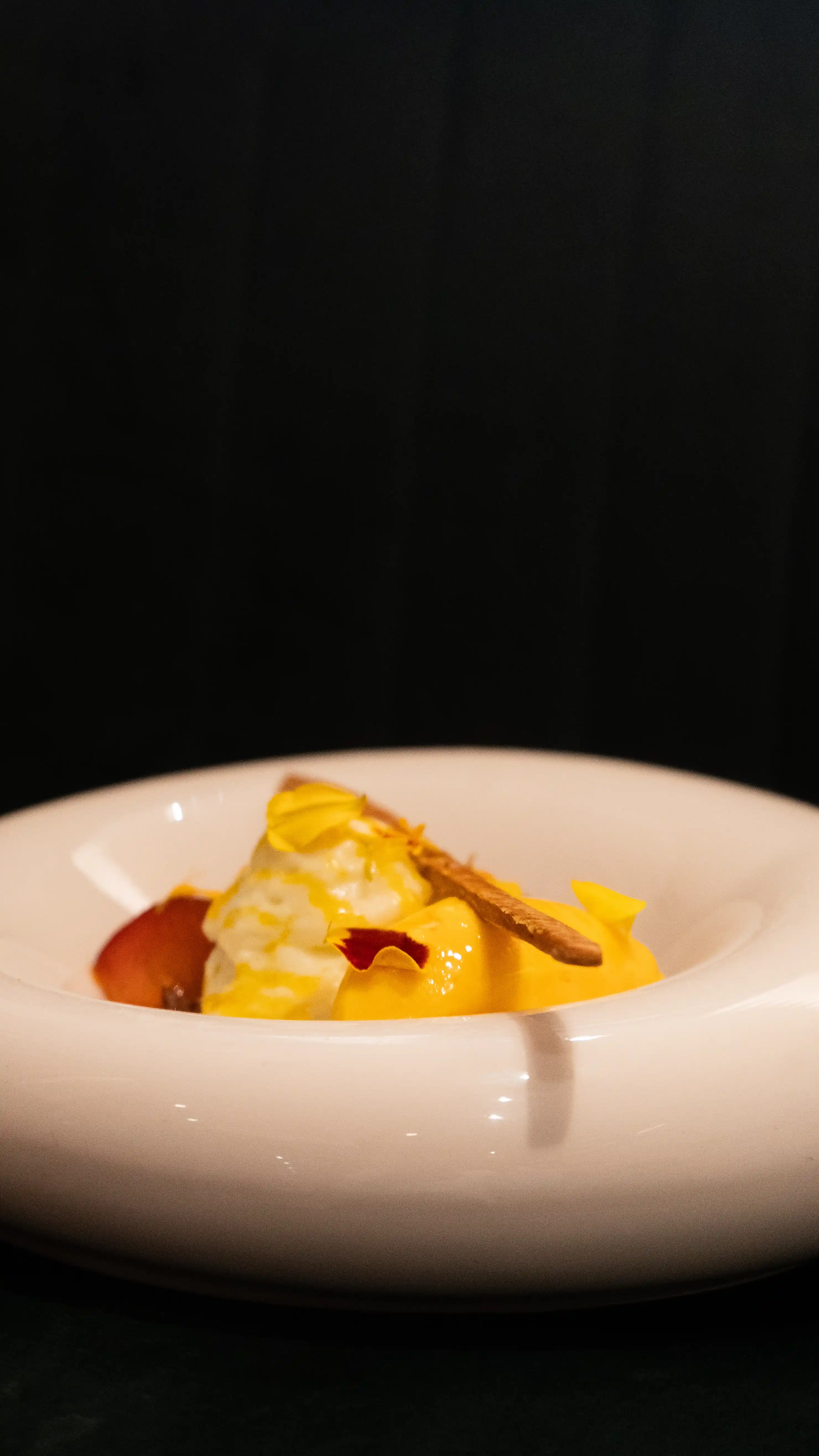
The meeting of these traditions gives rise to creations in which contrasts become complementary: a rich sauce can be lifted by a hint of acidity, a melt-in-the-mouth preparation enhanced by a crunchy texture, or an intense flavour balanced by the freshness of a vegetable element.

The aim is not to choose between two traditions, but to create a new sense of harmony.
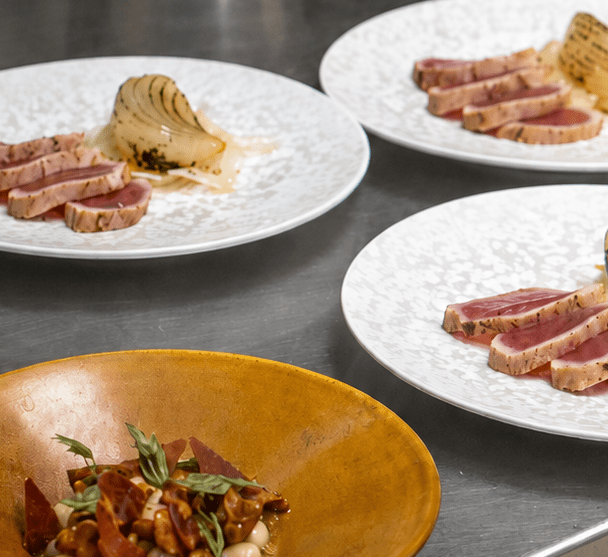
 

Maison Mère ©Maison Mère

Balancing Flavours: The Heart of Franco-Japanese Gastronomy

Acidity, Bitterness and Umami: Three Keys to Understanding a Dish

In contemporary cuisine, balance is not simply about the contrast between sweet and salty. Other taste sensations also play an essential role in the composition of a dish.

Acidity brings freshness and vibrancy. Citrus fruits, Japanese plums or vinegar-based preparations can lighten a sauce, enhance the flavour of fish or bring out the subtle notes of a vegetable.

Bitterness, sometimes subtle, adds depth and character. Naturally present in certain vegetables, citrus zest and roasted ingredients, it introduces a complexity that prevents a dish from becoming too one-dimensional.

Umami, often associated with mushrooms, seaweed, broths and fermented ingredients, enhances the depth of flavour without necessarily requiring additional salt or fat.

Temperature and texture also contribute to this balance. A warm element paired with a chilled preparation, or a crisp exterior contrasting with a soft, melt-in-the-mouth centre: every detail can transform the experience of a single bite.

Ultimately, the success of a dish comes down to one simple question: does every element have a purpose?

Maison Mère ©Maison Mère

Le respect du produit et des saisons, un langage commun

Bien qu'elles possèdent des histoires et des techniques différentes, les traditions culinaires française et japonaise partagent un attachement profond aux produits de saison.

Au Japon, la notion de shun désigne le moment où un ingrédient exprime pleinement ses qualités gustatives. En France, la cuisine de marché et la gastronomie régionale reposent elles aussi sur une relation étroite avec les récoltes et les saisons.

Au printemps, les jeunes légumes apportent fraîcheur et délicatesse. L'été fait la part belle aux fruits mûrs, aux herbes aromatiques et aux préparations plus légères. L'automne invite à explorer les champignons, les courges et les saveurs boisées, tandis que l'hiver inspire des compositions plus profondes, autour des racines, des bouillons et des cuissons douces.

Cette approche encourage également à considérer le produit dans son ensemble. Les parures de légumes peuvent contribuer à la préparation d'un bouillon, certaines tiges trouvent leur place dans une huile parfumée, tandis que les épluchures comestibles peuvent être valorisées selon leur nature.

L'utilisation intégrale des ingrédients ne répond pas seulement à une volonté de limiter le gaspillage : elle ouvre aussi de nouvelles possibilités gustatives.

Maison Mère ©Maison Mère

Keiichi Shinohara: Japanese Sensibility at the Heart of Contemporary French Cuisine

Born in Tokyo in 1973, Chef Keiichi Shinohara brings a subtle Japanese influence to his cuisine at Nectar.

Rather than seeking to impress through elaborate techniques, his approach focuses on precision, instinct and a deep understanding of ingredients. Each ingredient remains the starting point of his creativity, while cooking techniques and seasonings serve to enhance its natural character.

This philosophy is reflected in his exploration of contrasts: a hint of acidity to bring vibrancy to a dish, carefully balanced bitterness to prolong a flavour, fresh vegetable notes to introduce lightness, or roasted nuances to create depth.

Japanese ingredients such as hojicha — a roasted green tea — white sesame or Japanese plum can become integral elements of a dish when they contribute to the overall balance of a recipe.

The Japanese influence is therefore not always immediately apparent. It may reveal itself through a seasoning, a cooking technique, a texture or simply in the way an ingredient is allowed to express its natural qualities.

This creative freedom gives rise to a style of gastronomy that does not seek to reproduce traditional recipes, but instead develops its own distinctive culinary language.

Maison Mère ©Maison Mère

FAQ – Franco-Japanese Cuisine in Paris

1. What is Franco-Japanese cuisine?

Franco-Japanese cuisine combines French culinary expertise with the techniques, ingredients and sensibilities of Japanese gastronomy. It is often characterised by precise cooking techniques, carefully crafted sauces, umami and contrasting flavours. Its aim is to create balanced contemporary cuisine that respects the ingredients while embracing creativity.

2. What is the difference between a Japanese restaurant and a Franco-Japanese restaurant?

A Japanese restaurant generally serves specialities rooted in Japan’s culinary traditions, whereas a Franco-Japanese restaurant brings together both gastronomic cultures. For example, it may use French cooking techniques to prepare a Japanese ingredient or incorporate Japanese seasonings into a contemporary French dish.

3. Where can you enjoy Franco-Japanese cuisine in Paris?

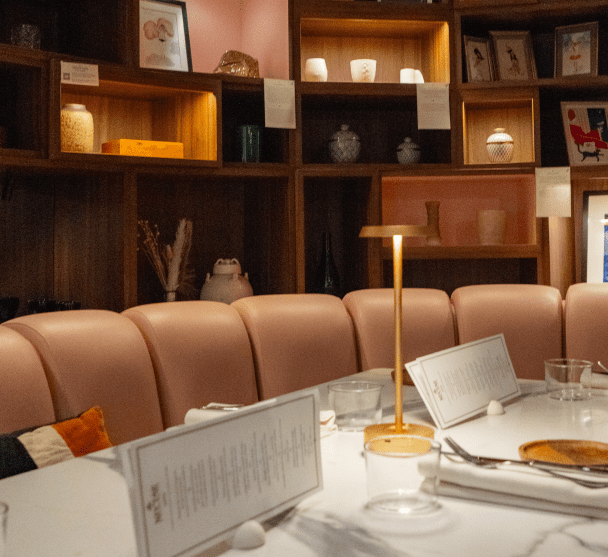
In Paris, several contemporary restaurants explore the relationship between French and Japanese cuisine. In the 9th arrondissement, Nectar, located within Maison Mère at 7 rue Mayran, offers creative French gastronomy with subtle Japanese influences, led by Chef Keiichi Shinohara. The restaurant welcomes guests for a bistronomic lunch or a tasting-menu dinner.

4. Why are Japanese influences so important in contemporary French gastronomy?

Japanese influences offer French chefs new ways to explore precision, seasonality, umami and the balance of flavours. Preparation techniques, fermentation methods and ingredients such as sesame, seaweed and roasted teas enrich the culinary repertoire without necessarily altering the French identity of a dish.

MM Family

Become a member

Guests, neighbours, artists, artisans, collaborators and personalities meet, share and exchange around exclusive events such as private parties, openings,
secret workshops and dinner with friends.

And, above all, each member of the MM family can benefit from extra-special offers that are exclusive to our community!